

Why would someone else’s story be your limitation?
In practice, when people say “It can’t be done”, they often mean:“I don’t understand how yet.”
“It doesn’t fit my current mental model.”With ‘impossible’ is often meant: feels unfamiliar + uncertain + uncomfortable.Not knowing how something will turn out,isn’t the same as knowing that it cannot happen.Many ‘I know someone who…’ stories are well-intentioned.But you don’t have to let them hold you back.
Should you let assumptions write your future?
“If you really look closely, most overnight successes took a long time,” Steve Jobs once said.
Success rarely happens overnight. And it certainly doesn’t just happen by itself.

Who can turn a setback into a springboard?
Bad luck happens. Assumptions aren’t necessary.
Who will be the hero who turns a barrier into a springboard and helps this fairy tale reach a lasting happy ending?

How much are you willing to invest to make something possible?
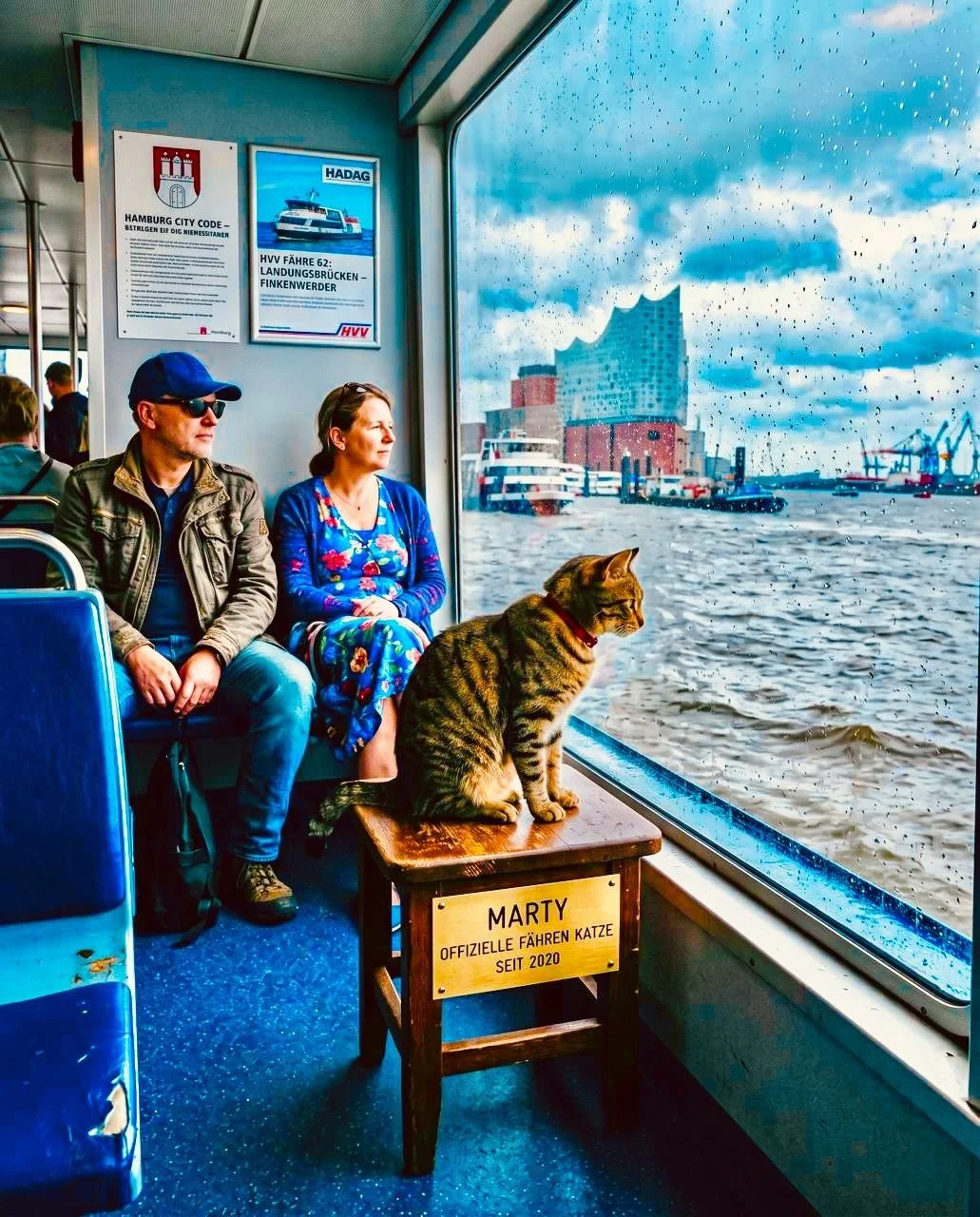
Is seeing believing in the age of AI?

Does following procedures equal results?

How to overcome the VR-tsunami of assumptions with real consequences?
How to prevent virtual assumptions to have real consequences?
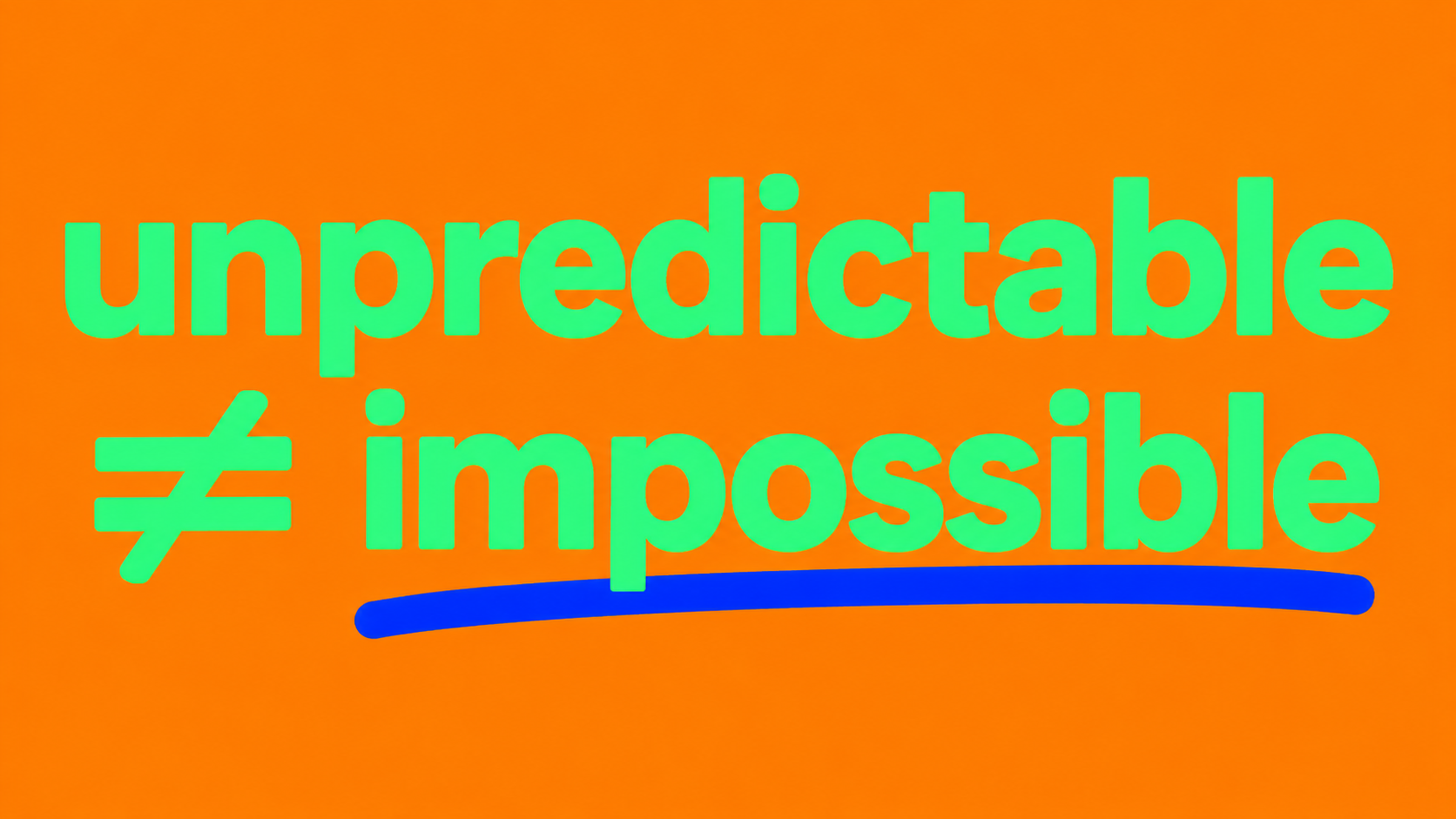
Never give up too soon.
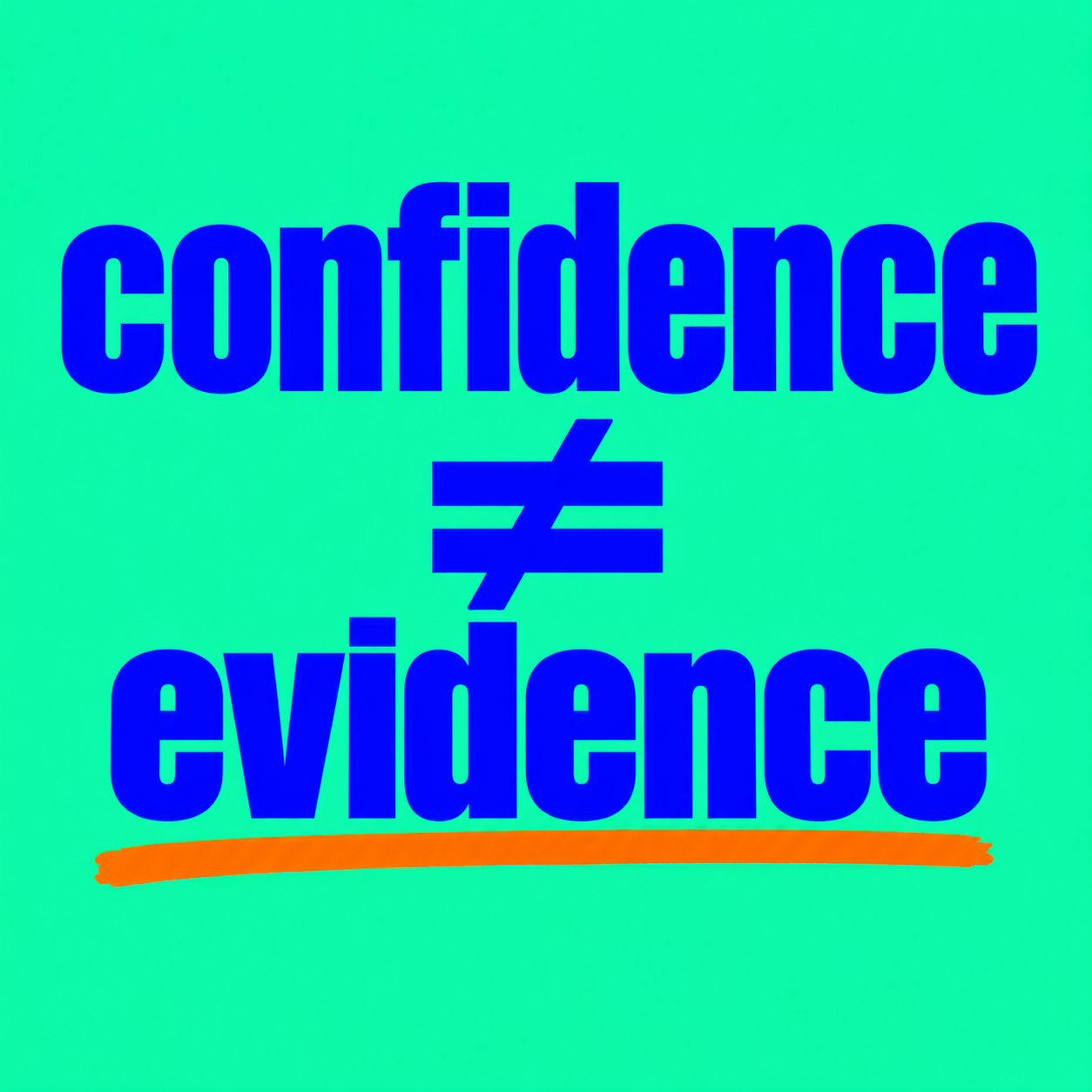
Should you quit before you’ve even begun?

Consultantouflage. Aka the world's most confusing job title.
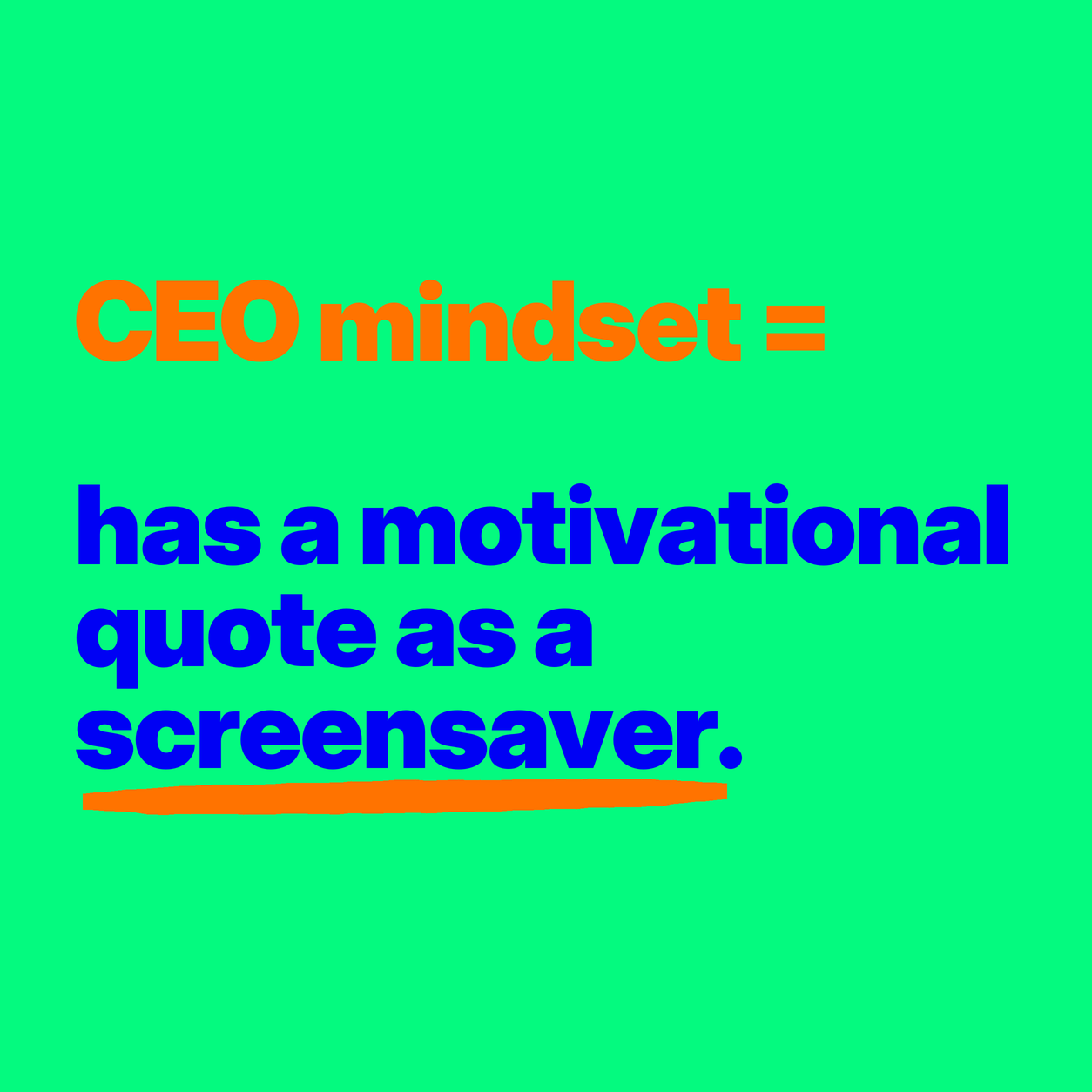
The power of words & images in shaping what’s possible.
Words shape our expectations. Therefore words can be potential money-machines, helping to influence choices. But what happens when the expectation that words create bears little resemblance to reality?
Why being uncertain beats being confidently wrong

Why would you let opinions stop you?

What can leaders learn from theatre makers?

Do you practice what you preach?
Are a self-proclaimed issues that are supposedly high on a corporate agenda a vague HR hobby or an effective management bazooka? Do you actually practice what you preach?

When others recognise your potential, the sky’s the limit
People who see possibilities and have your back can give you wings. Whatever you want to achieve. Whether you want to start a new business, transform an organisation, learn something new, become something you aspire to be, win votes, raise funds, or whatever else.
If you want to get something done, you’ll soon discover that there are two types of people: those who seem to view everything through the lens of an inflexible armour mentality (“That’s just the way it is”) and those who think more like a flexible catsuit (“Things could still go in any direction”).

Making the “impossible” possible
Ben niet druk maar ben effectief. ‘Druk’ zijn brengt niemand verder, effectief zijn wel. Driftig watertrappelend blijf je wel drijven, maar je komt er niet verder mee. Je moet weten waar je op af gaat en doorzwemmen tot je er bent. Mensen die watertrappelen maken vaak veel beweging, maar heb je er ook wat aan? Laat je niet te snel misleiden. Druk bezig zijn en effectief aan doelen werken worden vaak verward.

Why activity isn’t the same as making progress.
We hebben de neiging om ons te richten op dingen die snel zichtbaar resultaat opleveren. Symboolpolitiek is daar misschien wel het bekendste voorbeeld van. Het doel komt er niet perse mee dichterbij maar er kunnen wel vinkjes gezet worden. Er wordt een zichtbaar signaal afgegeven aan het publiek; er is voor iedereen zichtbare actie. Een ‘actief bezig’ vinkje zetten is iets anders dan een doel bereiken.

When Milestones become destinations: the hidden cost of giving up too soon
Snel zichtbare en bereikbare ‘tussenstations’ (tussenresultaten) worden vaak verwisseld met ‘eindstations’ (eindresultaat). Terwijl de eindbestemming nog niet bereikt is. Met als gevolg dat projecten te snel gestopt worden en kansen op groei worden gemist. Dat wil iedereen voorkomen toch? Als je genoegen neemt met het eerste het beste tussenresultaat, kom je niet zo ver als het kan.

Don’t let the naysayers decide what’s possible.
Je laat je toch niet tegenhouden door alles wat je hoort? “Dat kan toch niet” krijgen mensen die iets willen of mogelijkheden zien al snel te horen. Een stellige mening dat iets onmogelijk zou zijn, kan hen ervan weerhouden om ergens voor te gaan. Maar is dat terecht? Moet iemand zich door alle meningen die ze horen laten leiden en tegen laten houden? Het verbaasde mij toen behoorlijk dat toen ik even in coma belandde, al heel snel “het kan toch niet” conclusies werden getrokken.